
Internet Abbreviations Explained in Simple Words
The internet moves fast. People type quickly. That is why internet abbreviations exist. They save time. They keep conversations short. They help people connect across platforms. From chats to comments to emails these short forms are everywhere. If you use social media or messaging apps you already see them daily. Some feel obvious. Some feel confused. Learning internet abbreviations helps you understand online talk better. It also helps you respond with ease.
This guide breaks everything down in plain language. No complex terms. No heavy grammar. Just clear ideas. By the end you will know how internet abbreviations started how people use them today and why they matter.
What Are Internet Abbreviations
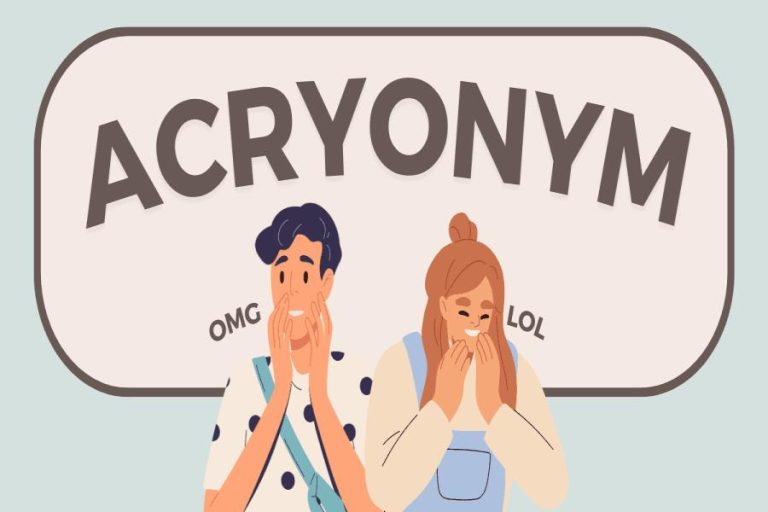
Internet abbreviations are short forms of words or phrases used online. They replace longer sentences. They speed up typing. They often show emotion or tone.
For example LOL means laugh out loud. BRB means be right back. These phrases became popular in early chat rooms. They stuck around because they worked.
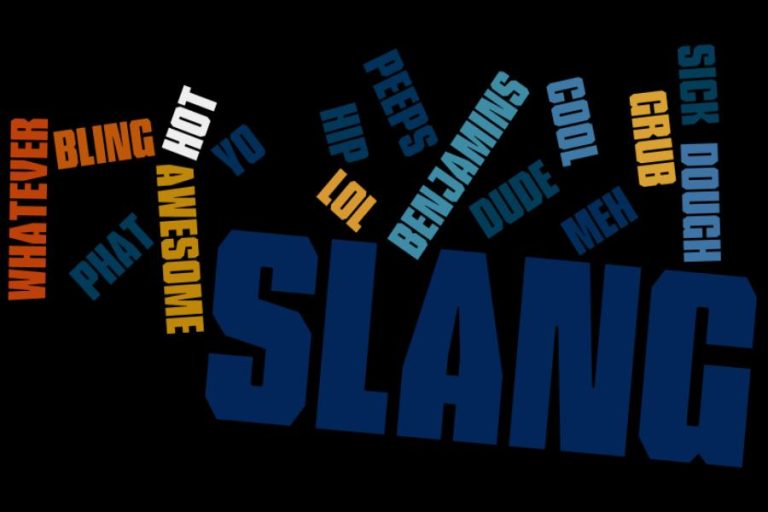
Internet abbreviations are not the same as slang but they often overlap. Some are made from first letters. Some remove vowels. Some mix numbers and letters.
They help people talk faster. They also create a sense of shared culture.
Why Internet Abbreviations Became Popular
The early internet was slow. Text limits were tight. Mobile keypads were small. People needed faster ways to type.
Chat rooms and SMS messages pushed this trend. Short messages cost less. Speed mattered. Abbreviations solved both problems.
Social media later made them even more common. Twitter character limits helped spread them. Gaming chats also played a big role.
Today internet abbreviations are normal. Even brands use them. Even parents use them.
Common Internet Abbreviations and Their Meanings
Here are some popular internet abbreviations you will see often.
LOL means laugh out loud
OMG means oh my god
BTW means by the way
IDK means I do not know
IMO means in my opinion
BRB means be right back
FYI means for your information
TBH means to be honest
TTYL means talk to you later
These are simple. They fit many situations. That is why they last.
Some internet abbreviations fade over time. Some stay strong. New ones appear every year.
Internet Abbreviations in Social Media
Social media loves short messages. Internet abbreviations fit perfectly.
On platforms like Facebook Instagram and X people use them in comments and captions. They keep posts casual. They keep them human.
For example someone might write
TBH I did not expect this to work LOL
This feels natural online. It feels friendly.
Hashtags also use abbreviations. You might see TBT for throwback Thursday. Or SMH for shaking my head.
Internet abbreviations help posts feel current. They help users sound relaxed.
Internet Abbreviations in Messaging Apps
Messaging apps are where internet abbreviations shine.
WhatsApp Messenger and Telegram chats move fast. People reply while doing other things. Short forms help.
Instead of typing a full sentence someone types
BRB food is ready
The message is clear. It is quick. It fits the moment.
Voice notes exist but text is still king. Internet abbreviations keep text efficient.
Internet Abbreviations in Gaming Culture
Gaming communities use many internet abbreviations. Speed matters during play.
AFK means away from keyboard
GG means good game
OP means overpowered
NPC means non player character
These terms help players communicate fast. They also show who belongs.
Gaming internet abbreviations often move into mainstream use. NPC is a good example. It now appears in memes and comments.
How Internet Abbreviations Affect Language
Some people worry about language change. They think internet abbreviations harm writing. That fear is old.
Language always evolves. Letters replaced symbols. Printing changed spelling. The internet is another step.
Internet abbreviations do not replace proper writing. They serve a different purpose. They work in casual spaces.
People still write full sentences in formal settings. They just switch styles.
This skill is called code switching. Most users do it naturally.
When to Use Internet Abbreviations
Context matters.
Internet abbreviations work well in
Chats
Comments
Texts
Casual emails
They do not fit well in
Job applications
Legal writing
Formal reports
Knowing when to use them is key. Using LOL in a work proposal looks odd. Using it with friends feels normal.
Internet abbreviations are tools. Use them wisely.
Internet Abbreviations Across Generations
Different age groups use different abbreviations.
Younger users adopt new terms fast. Older users stick with classics like LOL and BTW.
Some abbreviations even signal age. Using ROFL feels old to some. Using IYKYK feels newer.
Still everyone shares the same digital space. That creates mix and humor.
Sometimes misunderstandings happen. That is part of online life.
How New Internet Abbreviations Are Created
New internet abbreviations appear from trends.
Memes create them. Viral videos spread them. Communities shape them.
For example
IYKYK means if you know you know
FOMO means fear of missing out
These terms reflect modern feelings. They spread fast.
Once enough people use them they stick. If not they fade.
Internet abbreviations are shaped by people not rules.
Internet Abbreviations and Tone
Tone is hard online. Text lacks voice.
Internet abbreviations help show emotion. LOL softens a message. TBH signals honesty. SMH shows disapproval.
Without these cues messages can feel cold.
That is why people use internet abbreviations even when typing full sentences. They add feeling.
Emojis help too but words still matter.
Learning Internet Abbreviations Easily
You do not need to memorize everything.
Start with common ones. Notice context. Learn as you go.
If you do not know one look it up. Most people do. Even experts.
Asking is fine. Online culture changes fast.
Internet abbreviations reward curiosity.
The Future of Internet Abbreviations
They are not going away.
Voice and video grow but text stays. Short forms still save time.
AI chat tools even learn them. Brands use them in marketing.
New platforms will bring new terms. Old ones will adapt.
Internet abbreviations reflect how people live and talk.
Read Also: MBN Meaning
Final Thoughts on Internet Abbreviations
Internet abbreviations are part of daily digital life. They help people talk faster. They add tone. They build culture.
You do not need to use all of them. You just need to understand them.
The internet connects millions. These small words make that connection smoother.
Once you learn internet abbreviations you read faster. You respond better. You feel more at home online.