Acronyms Meanings Explained in Simple Terms
Acronyms meanings matter more than most people think. We see acronyms every day. In messages at work. On social media. In news headlines. Even in casual talk. These short forms save time. They also carry context and tone. When you understand acronyms meanings you communicate better. You avoid confusion. You feel more confident in modern conversations.
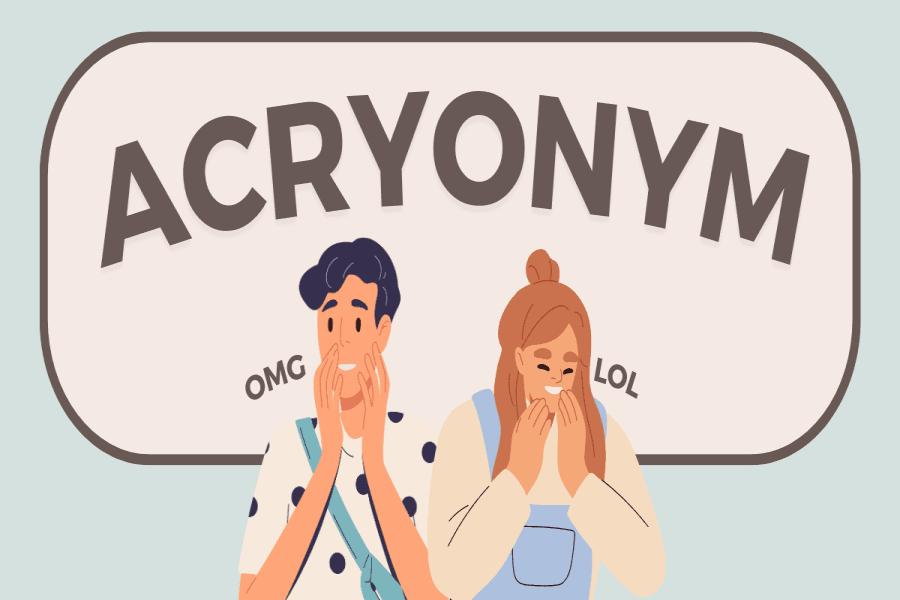
An acronym is a word formed from the first letters of other words. For example NASA stands for National Aeronautics and Space Administration. Some acronyms are spoken as words. Some are spelled out letter by letter. Both shapes are common. Both play a big role in language today.
This guide breaks things down in a clear way. No complex terms. No heavy language. Just real examples and clear explanations.
Why Acronyms Exist in Language
Language evolves to meet human needs. People want speed. People want clarity. Acronyms help with both. Instead of saying long phrases again and again we shorten them. Over time the short form becomes normal.
Think about daily life. Saying “as soon as possible” every time feels long. So people say ASAP. Everyone understands it. That is how acronyms meanings become shared knowledge.
Acronyms also help groups bond. Work teams use internal acronyms. Gamers do the same. Students too. These short forms create a sense of belonging. If you know them you feel included. If you do not you feel lost.
This is why learning acronyms meanings is not just about words. It is about connection.
Acronyms Meanings in Daily Communication
Text messages are full of acronyms. People want fast replies. Short forms help.
LOL means laughing out loud.
BRB means be right back.
FYI means for your information.
These acronyms meanings are now common knowledge. Even people who rarely text know them.
But context matters. LOL can show real laughter. It can also soften a serious message. FYI can sound helpful. It can also sound sharp if used carelessly.
Understanding acronyms meanings helps you read tone. It helps you respond in the right way. This is important in both personal and work chats.
Acronyms Meanings in Work and Business
Workplaces rely on acronyms. Emails. Meetings. Reports. All use short forms.
Here are a few common ones.
KPI means key performance indicator.
ROI means return on investment.
ETA means estimated time of arrival.
These acronyms meanings help teams move fast. They reduce repetition. They keep discussions focused.
But there is a risk. New employees may feel confused. Too many acronyms can block understanding. Good teams explain acronyms when needed. They use them with care.
Clear communication matters more than speed. Acronyms should support clarity. Not replace it.
Acronyms Meanings in Technology and the Internet
The internet runs on acronyms. Tech culture loves short forms.
HTML means HyperText Markup Language.
URL means Uniform Resource Locator.
AI means artificial intelligence.
These acronyms meanings shape how we talk about technology. Some become everyday words. People say AI without thinking twice.
Social media adds even more. DM means direct message. AMA means ask me anything. TBT means throwback Thursday.
Learning acronyms meanings helps you stay current. It helps you follow trends. It also helps you avoid misuse.
Acronyms Meanings Across Different Fields
Every field has its own language. Acronyms help manage complex ideas.
In health care you see terms like MRI and ICU.
In education you see GPA and SAT.
In finance you see APR and IPO.
Each has clear acronyms meanings within its field. Outside that field they may confuse people.
This is why context is key. The same acronym can mean different things. For example.
AP can mean Advanced Placement.
It can also mean Associated Press.
Understanding acronyms meanings requires attention. Look at the topic. Look at the setting. That usually reveals the right meaning.
How Acronyms Meanings Change Over Time
Language never stays still. Acronyms meanings can shift.
Some acronyms start formal. Later they become casual. Some start casual. Later they become accepted in work settings.
For example LOL once felt playful only. Now it appears in many forms of writing. Even in light business chats.
Some acronyms fade away. Others stick around. The ones that stay usually meet real needs. They save time. They express tone well.
This shows that acronyms meanings are shaped by people. Not by rules alone.
Common Mistakes People Make With Acronyms
One common mistake is overuse. Too many acronyms make messages hard to read. This happens often in emails.
Another mistake is assuming everyone knows the acronym. This can create confusion. Especially with new team members or clients.
A third mistake is using the wrong acronym in the wrong place. Some short forms are too casual for formal writing. Others are too technical for general talk.
To avoid these issues follow simple habits.
Explain acronyms the first time you use them.
Match the tone to the situation.
Use acronyms only when they add value.
These habits improve clarity. They also show respect for the reader.
Acronyms Meanings and Cultural Differences
Not all acronyms travel well. Some are local. Some depend on culture or region.
For example UK and US work acronyms can differ. Internet slang also changes by region. What feels normal in one place may confuse another.
This matters in global communication. Emails. Online forums. Remote work teams.
When speaking to a global audience choose clarity. Spell things out when needed. This ensures acronyms meanings are shared by all.
How to Learn and Remember Acronyms Meanings
You do not need to memorize long lists. Learning happens naturally.
Read more. Notice how acronyms are used.
Ask questions when unsure.
Look up acronyms in context.
Over time patterns form. Your brain links acronyms meanings with situations. This makes recall easy.
You can also keep a simple list. Especially for work. Write down acronyms you see often. Review them now and then.
Learning acronyms meanings is a gradual process. There is no rush.
Acronyms Meanings in Writing and SEO
Writers need to be careful with acronyms. Search engines read text differently than humans.
Using acronyms without explanation can reduce clarity. Readers may leave the page. That hurts engagement.
Good writing balances short forms with full phrases. It introduces the full term once. Then uses the acronym later.
This approach helps both readers and search engines. It also supports strong understanding of acronyms meanings.
The Future of Acronyms in Language
Acronyms are not going away. Digital life depends on speed. Short forms support that need.
New platforms will create new acronyms. Old ones will fade. Some will stay for decades.
What matters is not knowing every acronym. What matters is knowing how to approach them. Stay curious. Stay aware of context.
When you understand acronyms meanings you gain confidence. You communicate with ease. You adapt to change.
That skill matters in every part of life.
Read Also: Ketchum Meaning
Final Thoughts on Acronyms Meanings
Acronyms meanings shape how we speak write and connect. They save time. They carry tone. They reflect culture.
From casual texts to serious work emails acronyms are everywhere. Learning them improves clarity. It reduces mistakes. It builds connection.
Use acronyms with purpose. Explain them when needed. Respect your audience.
Language works best when it is shared and understood. Acronyms are part of that shared system. When used well they make communication smoother and more human.